Del Casher, the guitarist and inventor who helped turn an unusual electronic sound into one of rock music’s most recognizable guitar effects, has died at 88. Casher died on October 1, 2026, with news of his death reported on November 8. His work helped give generations of guitarists a sound that could make an instrument seem to talk.
For many music fans, the wah-wah sound is instantly recognizable, even if they have never heard the name of the man who helped bring it to guitar players. The effect became a major part of rock, blues and funk music, helping musicians add a voice-like quality to their performances.
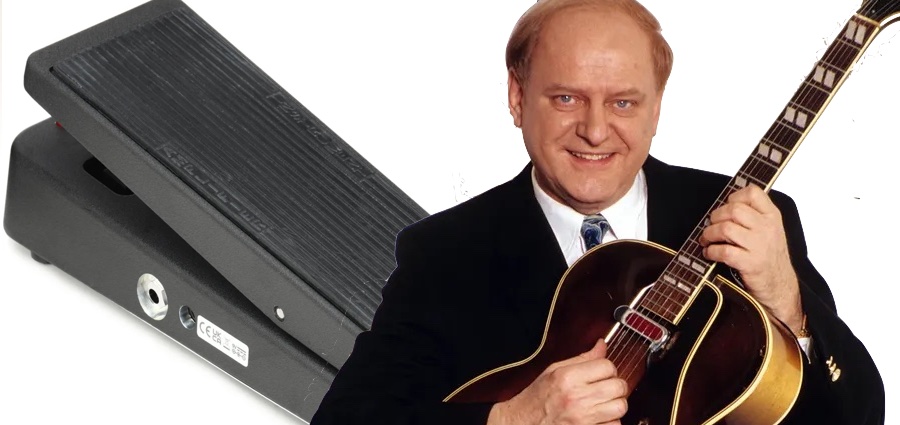
The story began in 1966 when Casher was working with Vox and the Thomas Organ Company. An electronic circuit originally developed for Vox amplifiers produced an unusual change in tone when its settings were adjusted. Casher noticed that the sound had the character of a muted trumpet and believed it could work beautifully with an electric guitar.
He wanted musicians to control the effect while playing instead of having to adjust an amplifier manually. His idea was to place the circuit inside a foot-operated pedal housing, allowing guitarists to move between different tones with a simple rocking motion.
Engineers Brad Plunkett and Les Kushner worked on developing the circuit into a usable pedal. Casher helped refine the sound and pushed for its use with electric guitars. The company initially considered the effect for trumpet players, but Casher believed guitarists could make much more use of its possibilities.
He went a step further by recording guitar performances that demonstrated the different sounds the device could produce. Those demonstrations helped convince the company to market the effect to guitar players. Vox introduced its wah-wah pedal in 1967, opening the door to a new sound that would soon spread across popular music.
The pedal worked through a simple movement. As a guitarist rocked it forward and backward, it changed the midrange frequencies coming from the instrument. That movement created the familiar “wah” sound, allowing players to make notes sound brighter, deeper, sharper or more vocal.
The effect became closely linked with the guitar sounds of the late 1960s and 1970s. Jimi Hendrix and Eric Clapton helped bring it into the spotlight, while musicians in later decades found new ways to use it. It became a regular feature in funk, metal, pop and even film music.
But Casher was more than the man associated with the wah-wah pedal. He had a long career as a guitarist, composer and performer. One of his notable screen appearances came in the 1964 Elvis Presley film “Roustabout,” where he played guitar alongside the legendary singer.
He also appeared with Jerry Lewis in “The Patsy” and went on to compose music for more than a dozen television shows and films. His work placed him within Los Angeles’ busy entertainment and recording industry, where he was also associated with the Wrecking Crew, a group of studio musicians whose performances supported recordings by Frank Sinatra, The Beach Boys and The Monkees.
In the days following his death, attention also turned to his widow, Eiko Kacher. A fundraiser organized by Al Burg was launched to help her deal with financial problems and the cost of moving into assisted living.
Burg said Eiko was facing serious personal and financial challenges. He explained that donations would help reduce her credit card debt and provide safe housing and the increasing care she needs. The campaign was established to offer support during a difficult period following Casher’s death.
Casher’s influence is perhaps best measured by how often his work can still be heard. The wah-wah pedal became much bigger than the original idea that inspired it. It gave guitarists another way to express themselves, and its sound remains part of music more than 50 years after Vox brought the device to market.
Leave a Reply